Why am I doing this, why is it relevant? Why should we look at the past, and should I be looking at it? Am I focusing too much on the history in the wrong way, does it become insensitive? How do I approach landscape in Aotearoa respectfully, and bring my knowledge and understanding of it to push what landscape means or does? Shifting the conventional and traditional in a way that can speak to a ‘new’ narrative in the forms of how I and hopefully an audience may review the landscape?
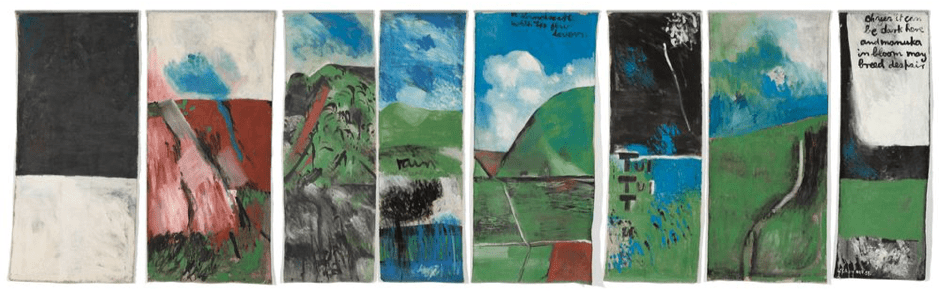
https://collections.tepapa.govt.nz/object/38664
I included Colin Mccahons Northland series for the sole reason of its orientation, it was a series of work that seem to be pointed at for my work, shifting from the traditional landscape orientation, similar to a work I had done.
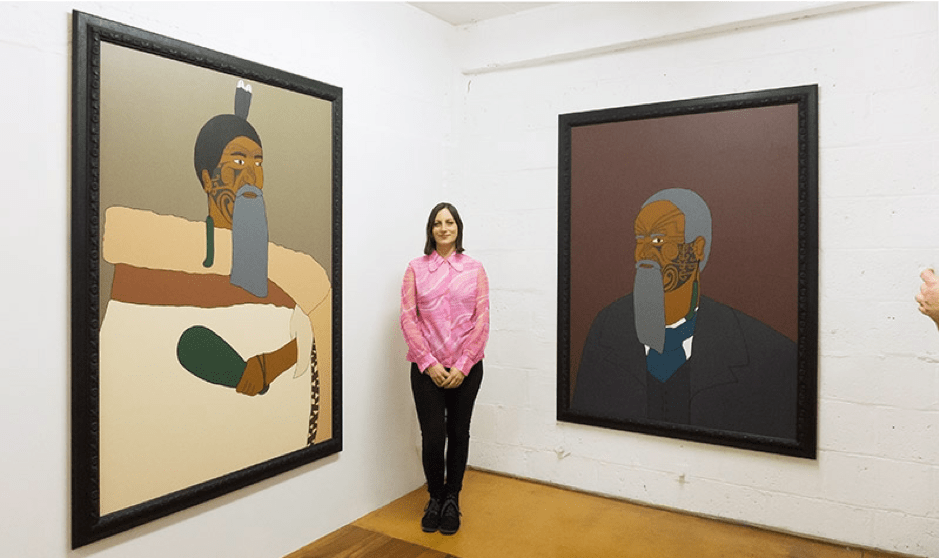
Ayesha Green, http://artsdiary.co.nz/88/2293.html
Ayesha Green is a Māori artist who recreates historic paintings, replicating, mainly painting in a flattened matter.
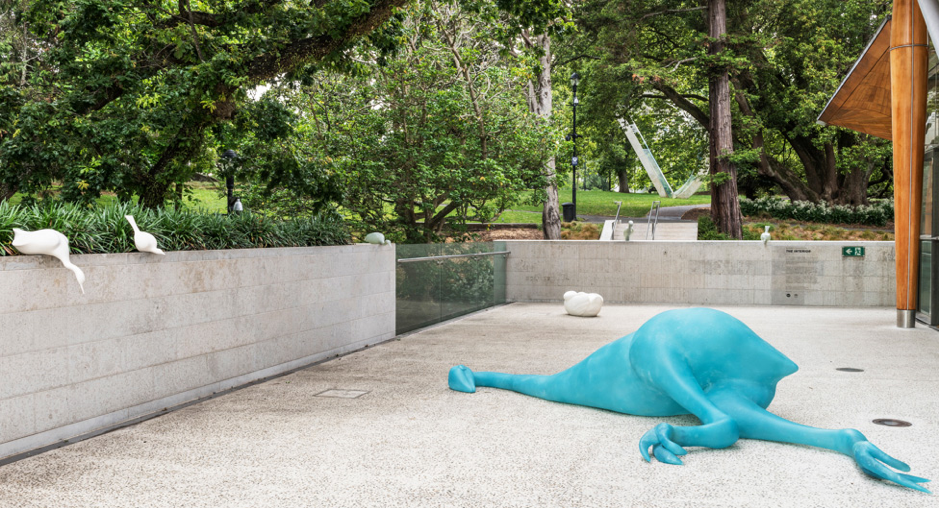
A fallen moa, lays outside at the museum, a scale is given to the viewer of what these creatures may have felt like after a hunt, its almost ironic having one laying like this, the artist could have posed the moa in any position but chose it to be laying almost dead.
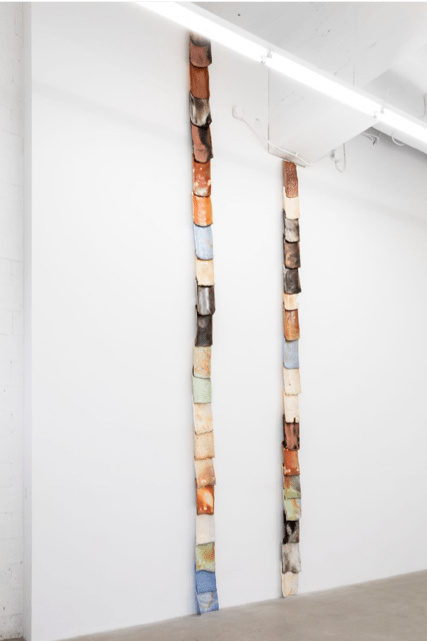
Copper plates are left out to leave marks and traces, I added Kates work for its recording habit, but also the fact of the artist not present all the time in the documented marks.
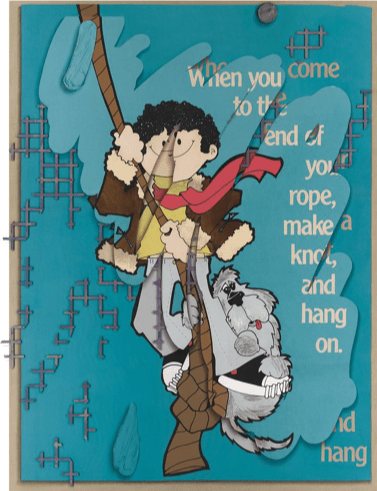
Laura Owens creates large, layered paintings, paintings which host a variety of imagery from pop culture to art marks, disruptions and occasionally text.

Drawings, mark making, layering. theres a sense of the reimagined landscape, but not landscape as of land but of view and scape. In her Mayfair installation sound plays of poetic recordings.
 Llenyd Price