These are some image research from books I am interested in, I hope to continue to add to this list.
This list is an accumulation of books I have and have gotten out from around the place.
I see a slight relevancy in these books in different ways from art to ideas, ways of making and thinking / processing.

In this text discuss the role of painting in history, through understanding of placing of the artist Avery Singer.
Discussed are also methods of making and the burning and manipulation of other artists of the surface, how the surface of paintings have been used. Mediums are discussed as “non problematic” although how painting has been used through history could be considered problematic but has nothing to do with the medium but the history of the medium and how they have been manipulated and used to depict.
Ideas of the “network” is also teased out in this text and networking / social networking in materiality and conversation between artists and positioning.
In history of art we often see a cross over of artists and location in the progress of art and methodologies in “networking” through conversations and again a “network” connecting these makers together. The avant-garde is mentioned in relation to his society approach’s net works such as Twitter and Facebook. Singer plays off this “networking” of social media and a ‘stamp of approval’ of which social media offers. Singers painters play off these ideas in relation to the Avant-garde. Singer discussed three dimensional works of Genzken in the flattened three dimensional space through sculpture and the ways in which sculpture can play off of these formal elements, playing around making the audience question these known methodologies and motifs of art. Singer plays off the digital which capitalism seems to profit off of, these paintings are also a play off of life and architecture. Singer plays with Sketch up in the 3D a architectural programme which I use in my own work. Singer plays with this surrealist flattering of painting. Digital culture is also discussed in how Singer approaches to technology, although Singer plays off these technologies that doesn’t necessarily mean that she is considered an artist who’s work is technology or relating to those ideas, although uses technology as a method or medium to discuss her ideas, much like paint in the history of art.
Bohemian lifestyle is a lifestyle which Singer plays off of, a ‘fantasy’ these art stills of these fantasy lifestyles, they are edited, and gestures of an ideal lifestyle.

Donna Haraway
History of Consciousness, University of California, Santa Cruz, USA. 2015
Agriculture and terraforming terms which are discussed in this text by Donna Haraway, ideas relating to the Anthropocene. Other ideas discussed are the effects of species and their play in the global scheme of life on earth and ecosystems and the patterns related to the fluctuation of life on earth. Ecology is described to the earth and the flux of ecology, through methodologies of nature of events imposed on the planet but also events which humans play on the planet with things such as burnings of forests and the attempts to ‘maintain’ and understanding the environment which they are in. The other human is also explained in how they are imagines, in science fiction, pop culture and also religious or mythical beings.
“We are compost” dying with the planet not in objection to the planet, we are part of the systems of the natural world, there is a cycle of life and death. An ecology of the development and false ‘divide’ human seem to assume they have with nature, but the systems and infrastructure created die and “compost” with the planet much like any other mineral or life form. Things compose and decompose.
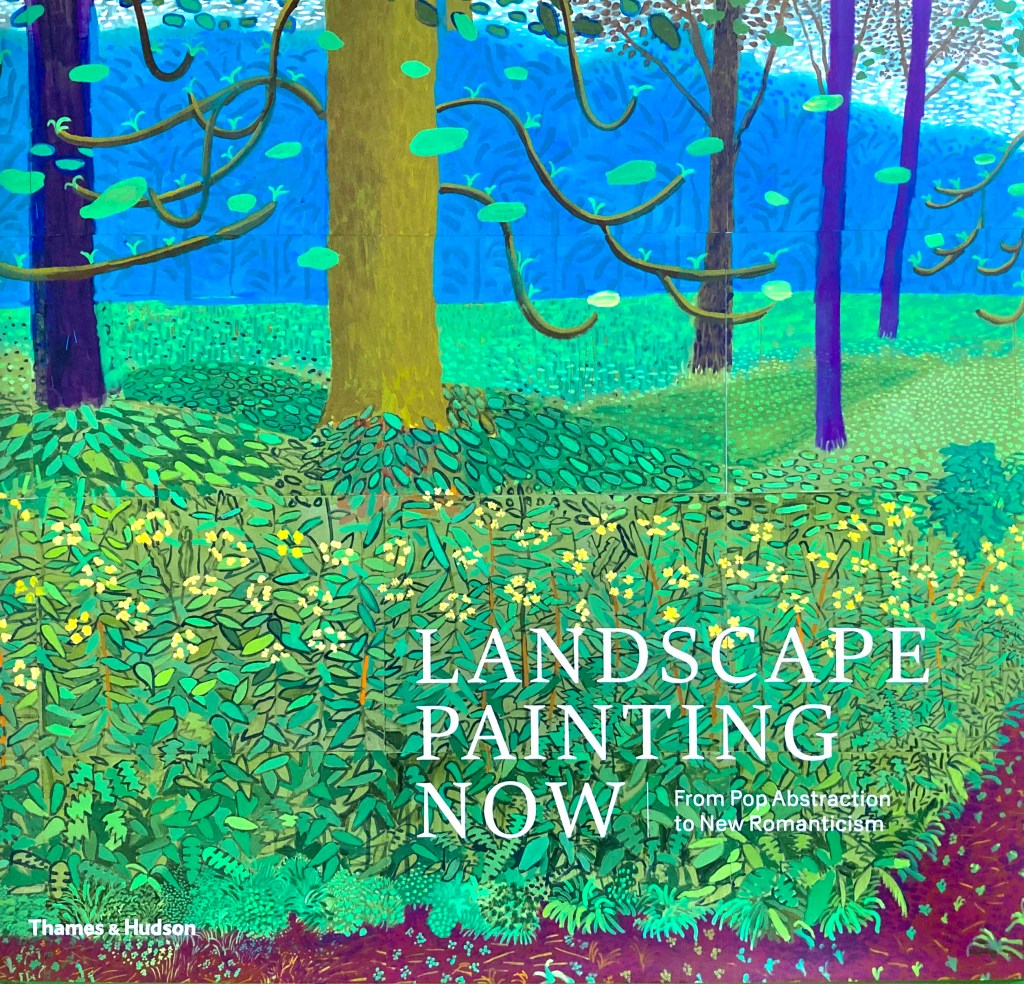
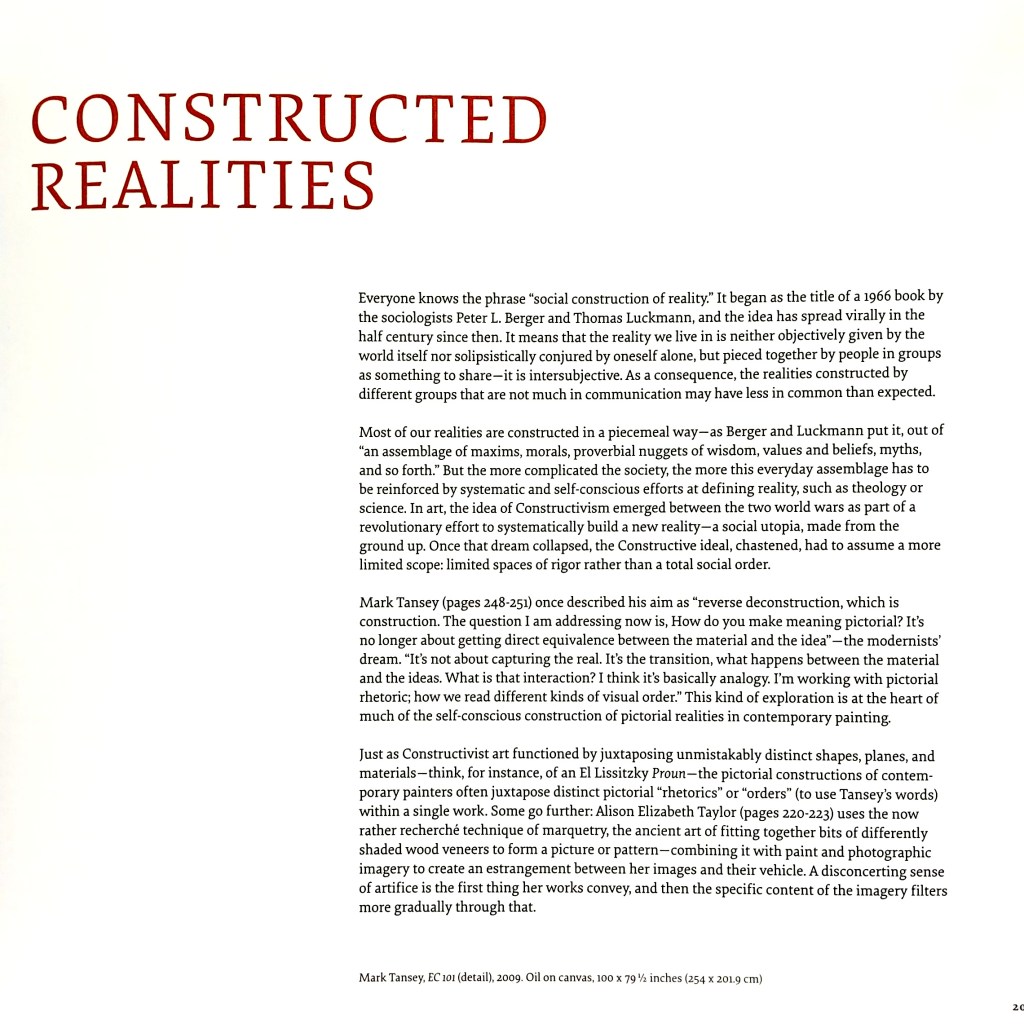
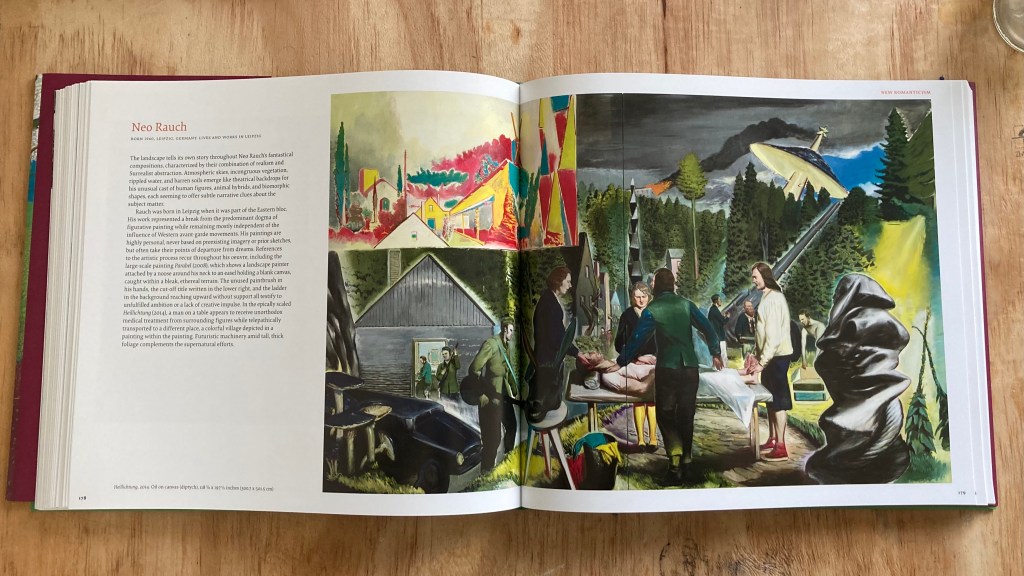
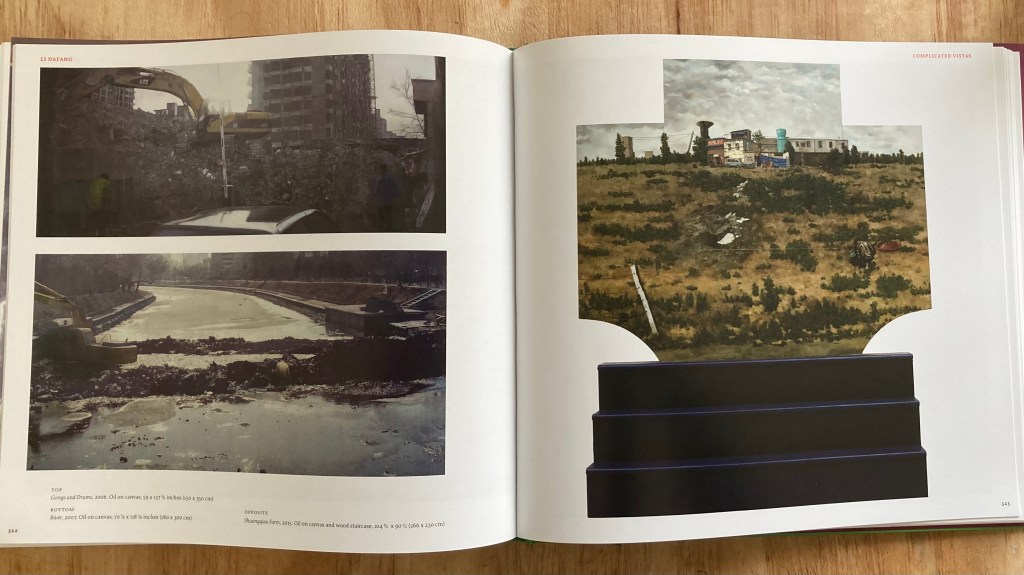
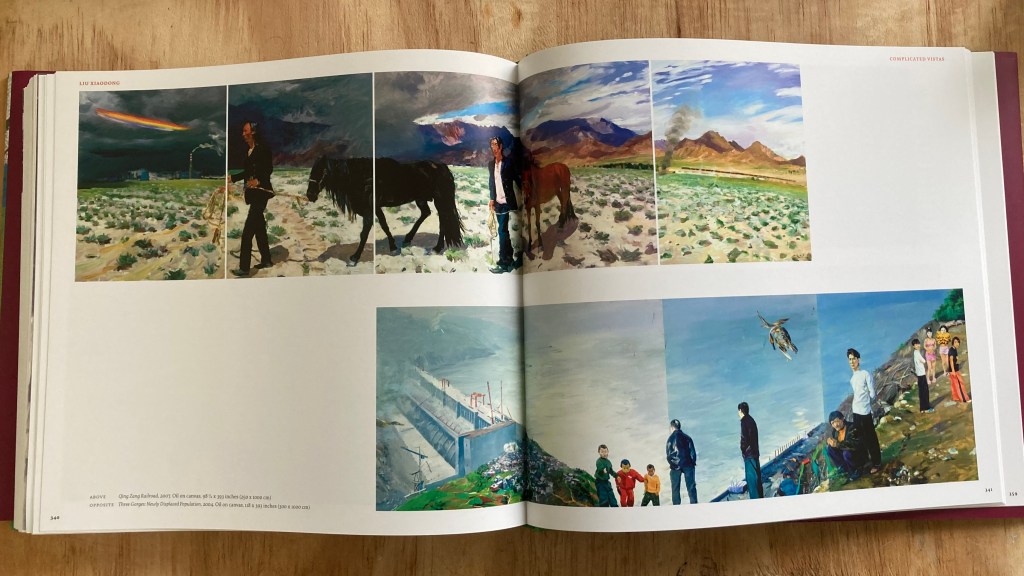
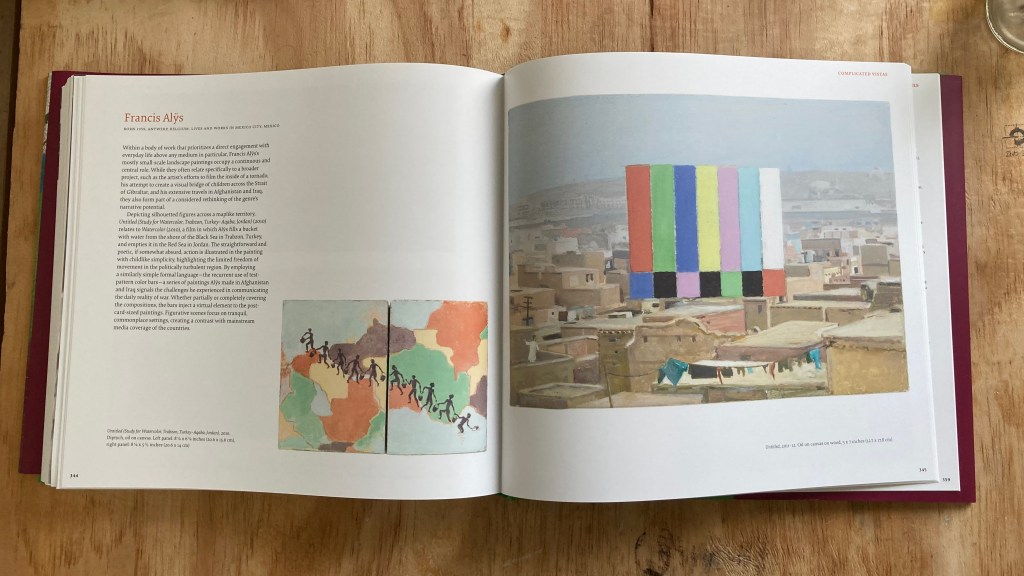
The collection of artists and makers in ‘Landscape Painting Now’ hosts an array of makers and thinkers along with terminology and background to each persons work, the ideas of ‘New Romanticism’ and ‘Constructed realities’ seemed to be the most relevant or of interest into how I am making and thinking, the artists which I have been drawn to seem to also but not always fall under these categories. Some artists include the figure which plays very differently in how they are depicted, some more prominently in the painting other seem to fade into the painting. colour is also playing a large role in these artists work. Artists which I was most drawn to were Lois Dodd, Isreal Hershberg, David Hockney, Daniel Heidkamp, Matther Wong, Hernan Bas, Mamma Andersson, Anselm Kiefer, Peter Doig, Neo Rauch, Adrien Ghenie, Justin Mortimer, Cecily Brown, Andreas Erkisson, Per Kirkeby, Hurvin Anderson, Li Dafang, Luc Tuymans, Liu Xiaodong and Francis Alÿs
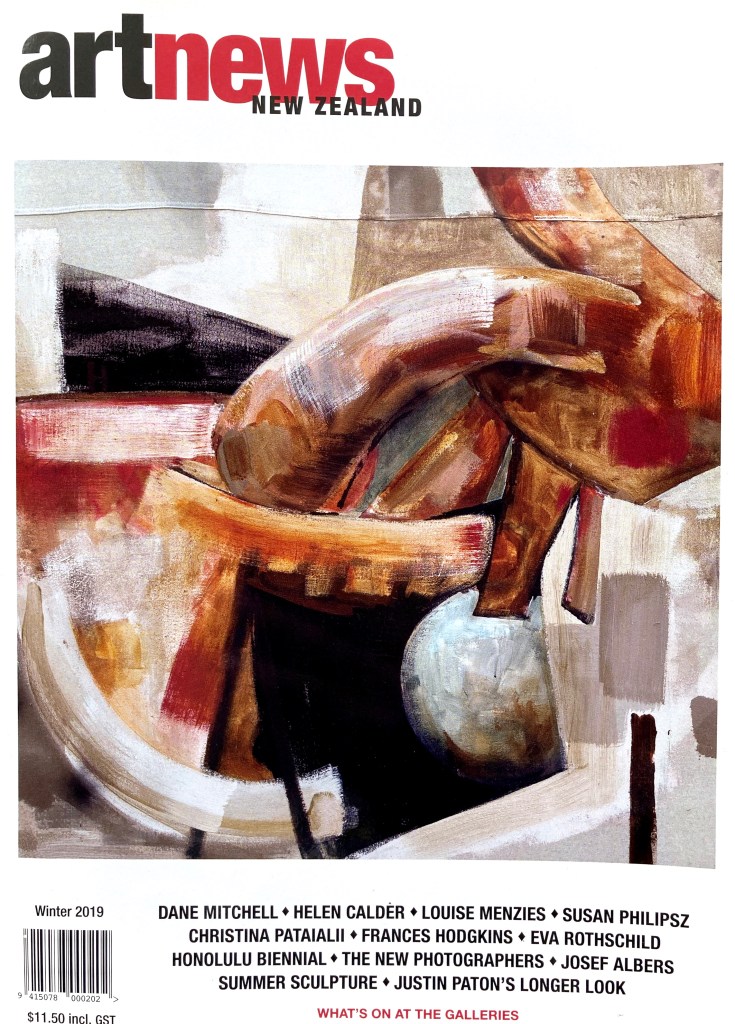
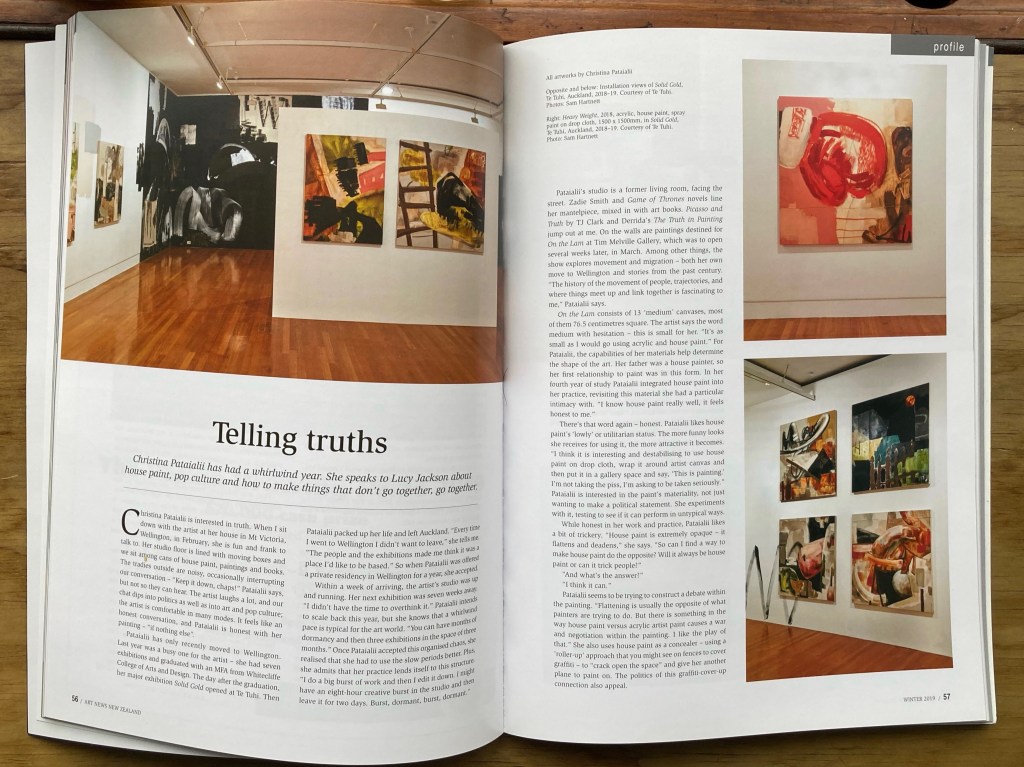
Artnews New Zealand, but inspecific this issue which I had gotten, consisting of this short section of Chirstina Pataialii, explainitng her work and show at Te Tuhi and works that had been shown at Tim Melville.
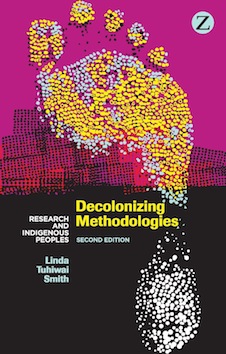
Smith, Linda Tuhiwai, 1950-. Decolonizing Methodologies : Research and Indigenous Peoples. London ; New York : Dunedin : New York :Zed Books ; University of Otago Press ; distributed in the USA exclusively by St Martin’s Press, 1999.
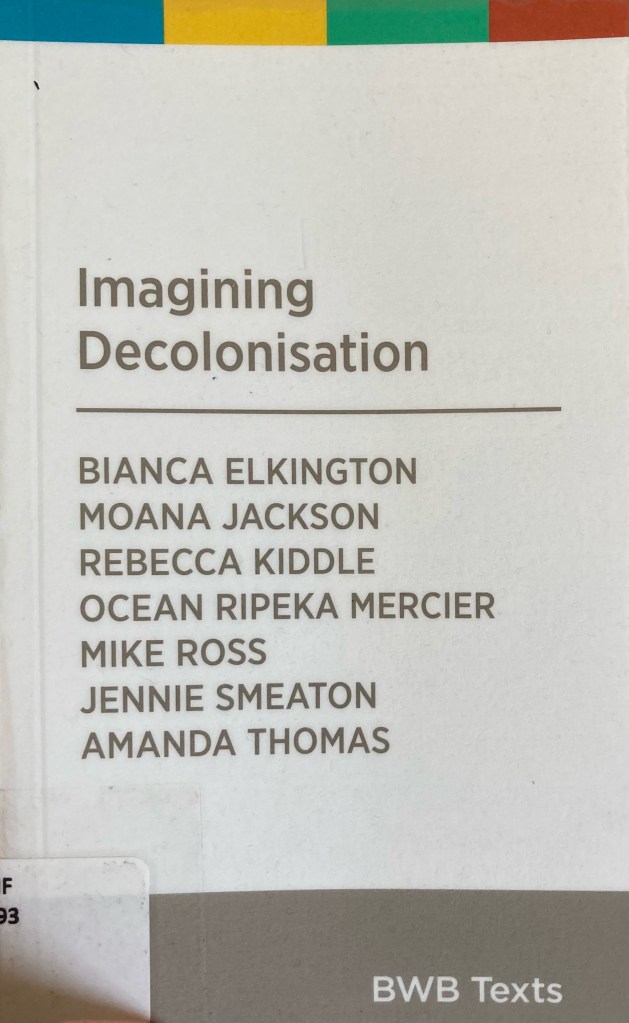
In the text Imagining Decolonisationfocusing on the text written by Moana Jackson, the ideas of colonization are discussed, some ideas which can also be found by supporting texts such as Decolonising Methodologies written by Linda Tuhiwai Smith. The idea of Decolonizing is discussed in relation to the history of colonization, stories discussed through journeys of indigenous Māori through Aotearoa but also the rewriting of history from colonization. “the only meaning they gave the land was as property which they should own” Moana Jackson discusses the colonial disconnect to what land meant, a meaning which they continued after landing on Aotearoa’s shores. ‘Restoring’ is a term Jackson refers to in place of ‘decolonising’, a term which brings Māori up and builds them stronger, to restore Aotearoa and its history, its stories.
Additionally terminology surrounds ‘restoring’ in words such as ‘reclaiming’ in ways to uphold these ideas surrounding a building up and re-claim of Indigenous whenua, benefiting ideas in which to decolonise.
Decolonizing is a term or even could be considered a movement, one which is going on not only in Aotearoa but all over the globe, countries with a colonialized history fight back for the rights of land, land which is sacred and home to them. In the text Decolonising Methodologies written by Linda Tuhiwai Smith discuss forms of decolonizing, factoring yet again the history of colonization. A strong history of atrocities becomes apparent in the systems set into current day Aotearoa’s political scene from a history of injustices, quoted here “indigenous peoples were having their lands and resources systematically stripped by the state; were becoming ever more marginalized; and were subjected to the layers of colonialism imposed through economic and social policies.” (Linda Tuhiwai Smith. Decolonizing Methodologies: Page 91)An expansion of these systems of injustice can be explored, understood and drawn out to see that the issues weren’t only previous but on going.
The quote above focuses on previous events, events which we can see in parallel with today’s issues, some that have happened previously seem to be happening today in some way or another, one example of this currently happening is that of land is continuously being stripped away, resources alongside.
From understanding the ideas explored in Imagining Decolonisation surrounding colonization, an understanding can begin to unfold on how as an outsider to Aotearoa one can begin to place the self and expand on previous questions, a starting point of approaching the whenua around can become from a place of respect instead of ignorance. Verbal terminology used can help start forming a basic approach to decolonizing, ‘restoring’ and ‘reclaiming’.
How do people of outside and Pakeha navigate sacred sites? Especially when knowledge of place has been hidden forcing the knowledge of Tapu sites to remain of little knowledge to the average person. How can acknowledgements to indigenous place names guide towards a better respect toward the land and their stories? Acknowledgements to the history of the land could become meaningful ways to start to decolonizing, to acknowledge the mana of the land. What actions can I as Tauiwi take that are the best actions to move forward?
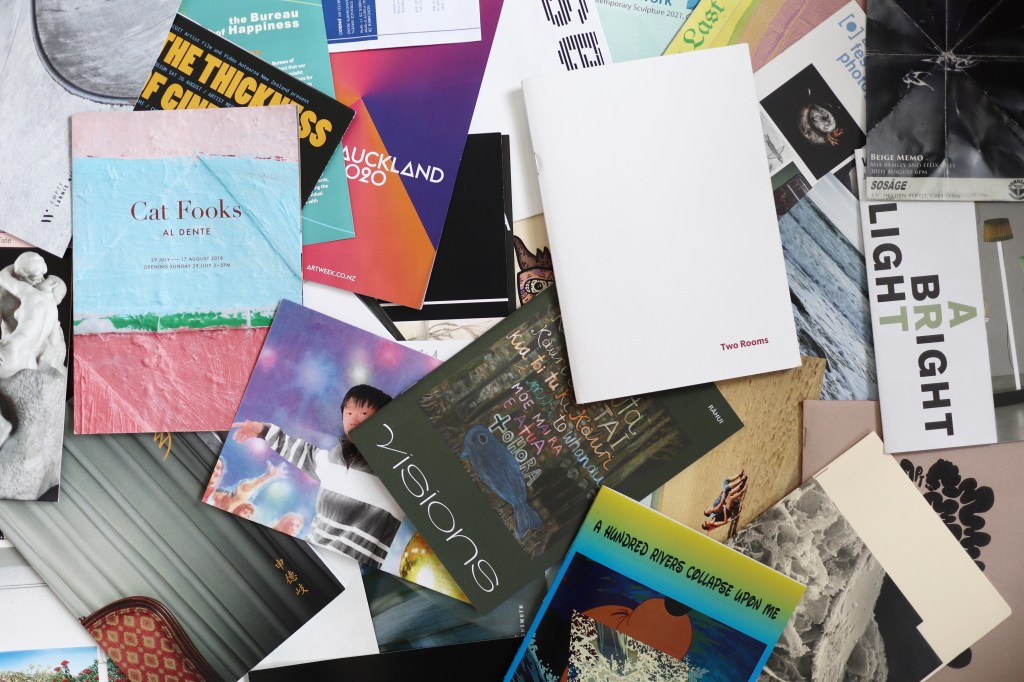
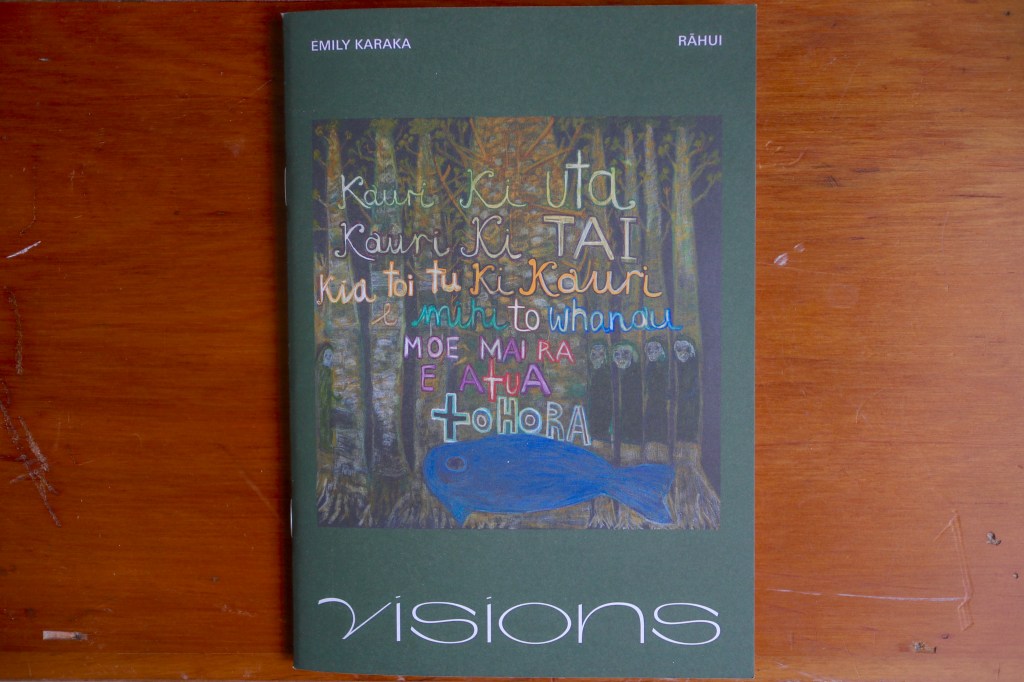
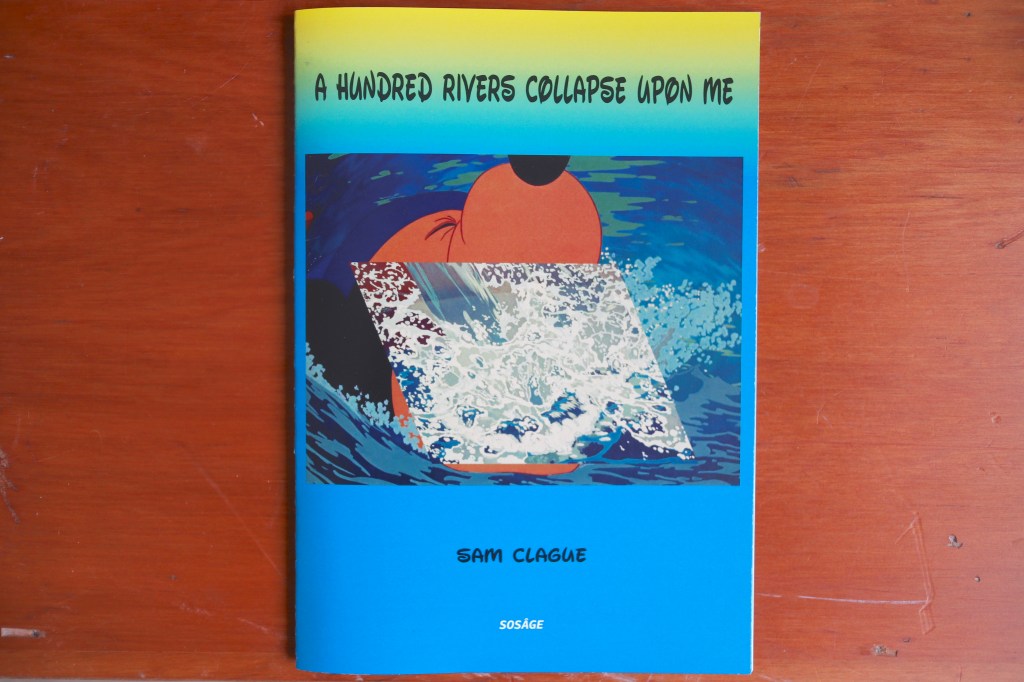
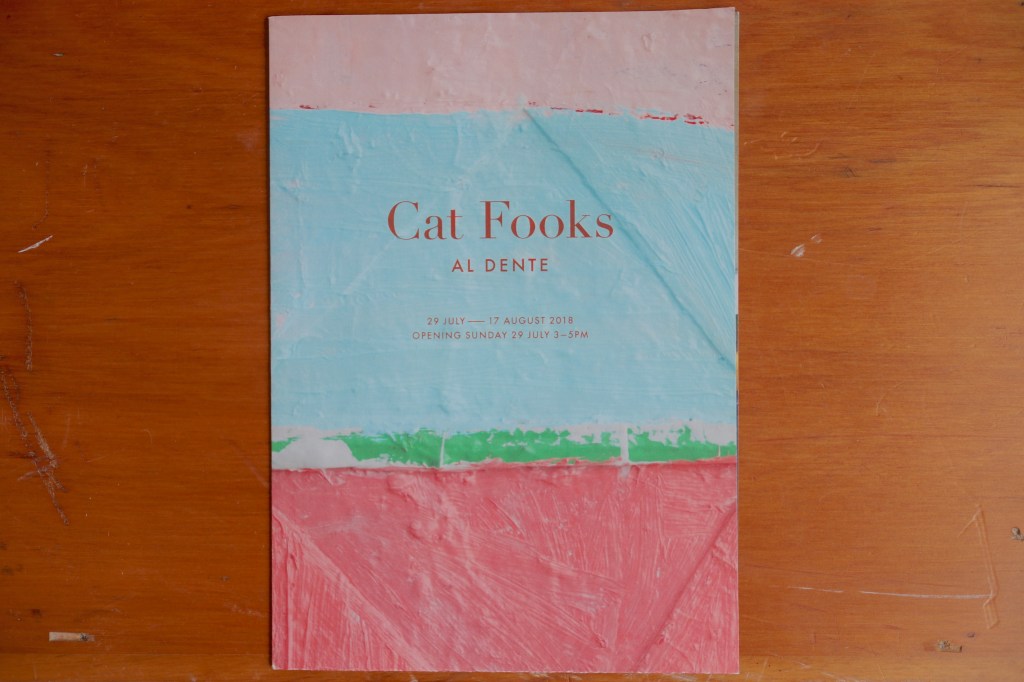
This is a group and collection of Exhibition catalogues from over the years, I am drawn to these and the way they sit next to exhibition. These consist of photo books, pamphlets, exhibition catalogues and a plethora of other small publications. Emily Karaka’s contains a short but dense exhibition essay that sat next to the exhibition. Cat Fooks holds few words but I gravitated towards the ways colour could help in a publication through her work and the textures of her paintings too, I enjoyed looking at that publication in relation to making my own. Some essays hold key terms which I have been interested in my own practice and some have ideas which I enjoy playing with along with material use and tests.

In Geoff Park: Theatre Country discuss the ‘picturesque’ landscapes and whenua depicted and described in Aotearoa in relation to how land was seen during and post colonisation.
“Aestheticise nature and the natural” (pg. 104) is relating to how the colonists were sent to view landscape. Objects were included to create and narrate the ‘picturesque’ landscape through devices such as the Claude Glass which was used to create the ‘perfect landscape’.
“I wish a few more New Zealand conservationists had done so–those who presuppose their mission to be morally pure, and whose great regard for the places the colonial project made so wild and empty for them is without regard for the irony that, less than a century ago, these places were Māori whenua.” (pg. 105)
This part in the text resonated with how in relation to my current situation of where I happen to be I am beginning to look and think about colonialism in relation to how tau iwi approach and think about how others react or have reacted to whenua, what could be done to the up-hold expectations, while holding that regard and respect for whenua and sacred land. As non-Māori should seek out to understand the ground which they stand on and hope to consider respectfully how they live on this Māori land, and from reading and understanding this essay see how ‘picturesque landscapes’ have been edited to appeal to the colonial gaze, often removing what was deemed of having ‘natural beauty’ or ‘tradeable commodity’.
This essay describes the history of colonial life through a variety of colonisers lives and the ways in which they were to seek out a ‘display’ or ‘capture’ of landscape but also how they changed and altered it to mimic the European countries which they originally came from brining over invasive plants, animals and other items to intrude on the land to make it look more like the country which they left. These implementation’s on the land and the effects of bringing said items are felt through the land today, still to this day native flora and fauna is being lost at an extraordinary rate as well as native Māori whenua.
“But at the same time other legislation was taking away traditional Māori birding and plant gathering rights. For a while Māori land was kept out of the scenery preservationists’ reach.” (pg. 107) Park eludes to the previous exclusion of Māori voices toward the access and stewardship which was allowed on their own land, land of which accessibility was necessary for resources but also protection and many other vital reasons. Colonisers came in to land grab in attempts to turn Aotearoa into a ‘hunting paradise’ this was furthered with the animals brought over with deer, tarr and other game animals, .
“Largely because of the gutting of Aotearoa’s lowland forests and swamps… those ecosystems now have a mere fraction of the birds they had all through the centuries of Māori habitation. Nonetheless, the science the state has brought onto the conservation stage to spice up the scenic entertainment would have us believe that what we see when we walk under the trees is what ‘primeval New Zealand’ was like.” (pg. 108)
Through this ‘restoring’ of native land there might be a few questions surrounding what happens and who is consulted relating to whenua. Is this ‘conservation’ a mean for a colonial grasp on whenua or is there a means to eradicating all pests?
Key words from text:
- Picturesque
- Conservation
- Legislation
- Aestheticised
- Whenua

Dali (although not a vibe), I enjoy the surreal landscapes and discussions around surrealist ideas in this book. I enjoy ways in which imagery can be manipulated and played around. Surrealist elements are a strong idea behind my own practice, ideas which help with collaging imagery and distorting the images I use.

I just like learning about the history of Art and seeing how art has evolved and changed through the years especially comparing historic art forms paintings and making to todays contemporary art scene in specific in Aotearoa. Coming across the status of imagery through history subject matter through history is of intrigue in how I re evaluate and approach my subject matter.

I have realised that my work is becoming more and more digital or pictorial and at times like a comic illustration, Beardsleys work I focus on ways lines and blocking play a role in depicting subject matter and how the flattening of images can work. I mainly bring these flattened lines and blocking into my own work, I grew up struggling to read and really was drawn to comic books and comic imagery through flat colour and prints, images stood out to me and line work has always influenced my life and making.
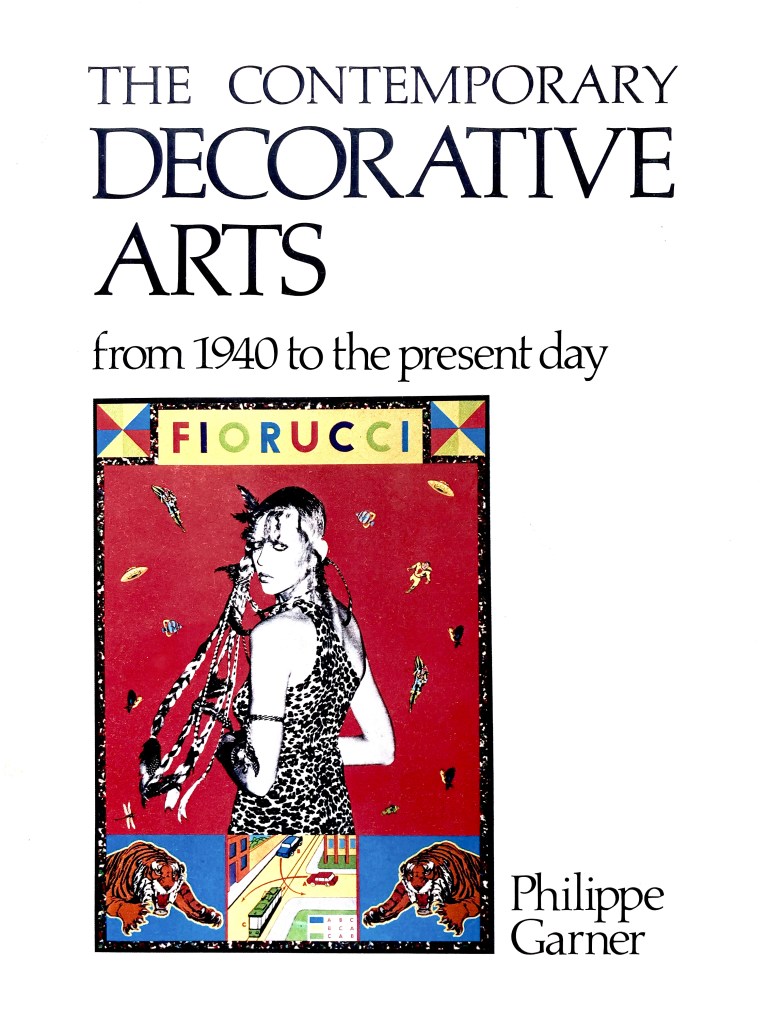
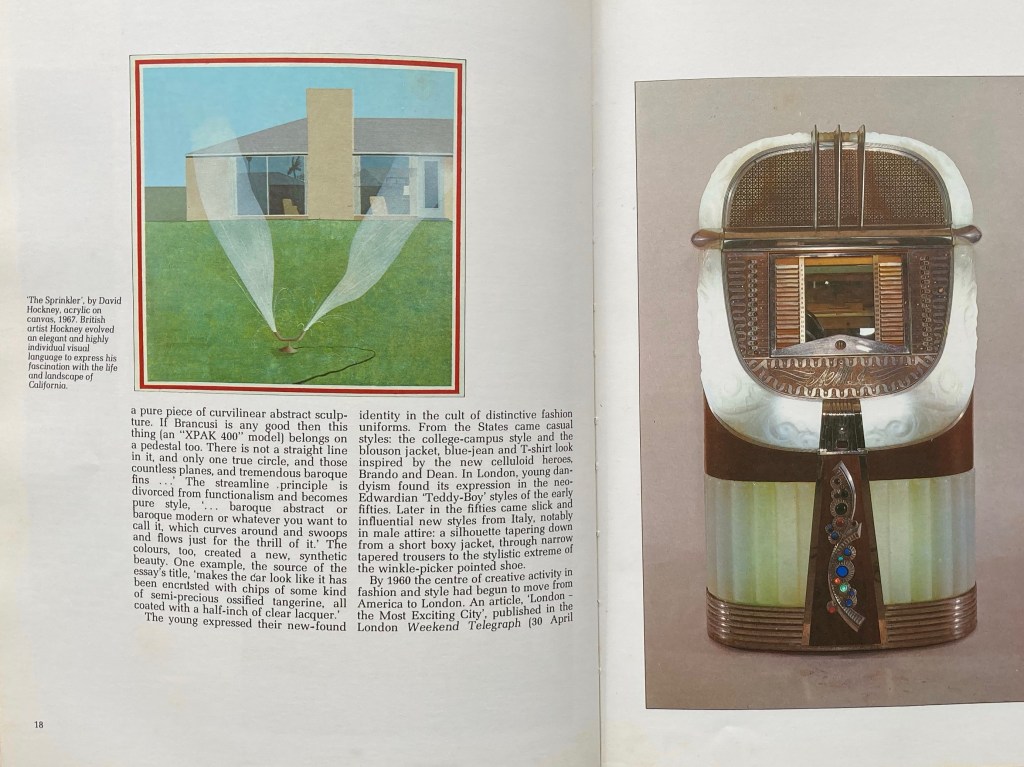
Decorative arts has an array of formats or the Arts from fashion to fine arts and interior design. The materials and colours pop and hold balance. What I enjoy from this is ‘Decorative’ and what that means to the wide scope of things. Why does this relate to me? I find the ways in which conservation can become decorative and how I remove some objects from their original meanings and re-purpose and re-think how they are perceived whilst still maintaining original functionality.
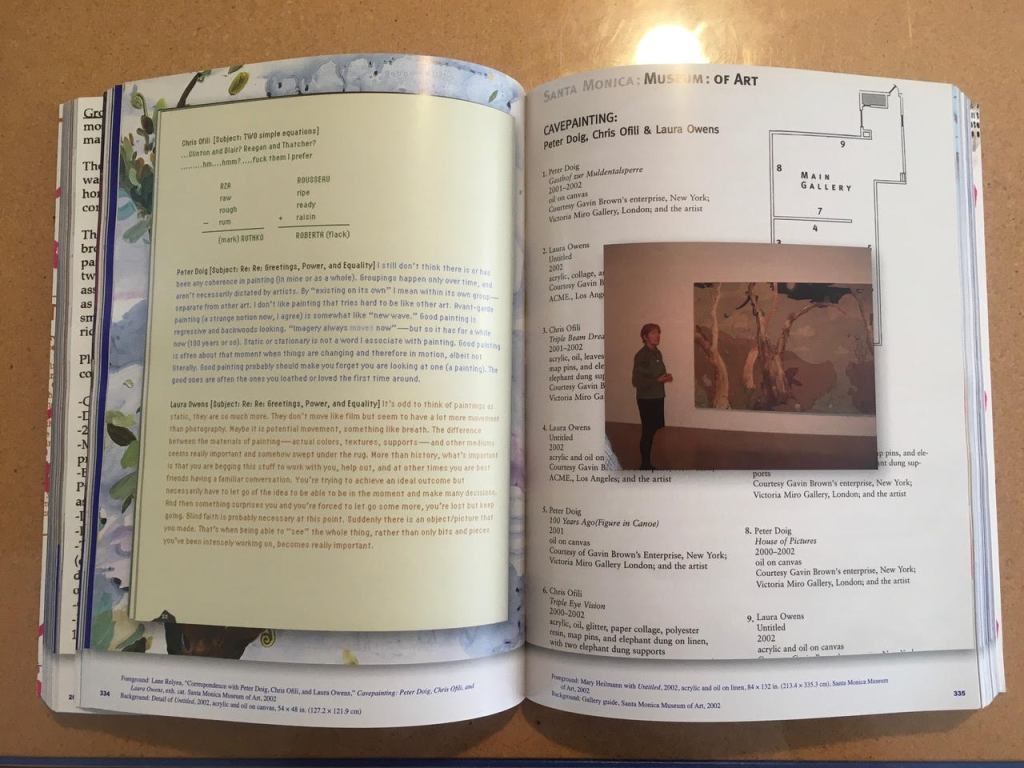
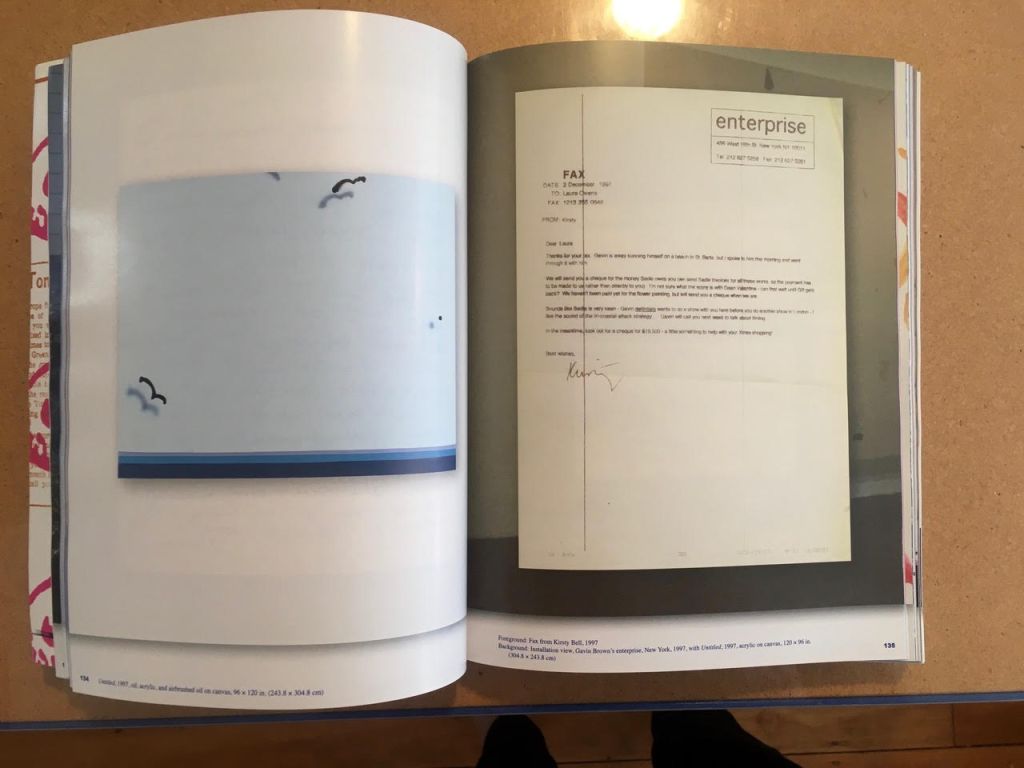
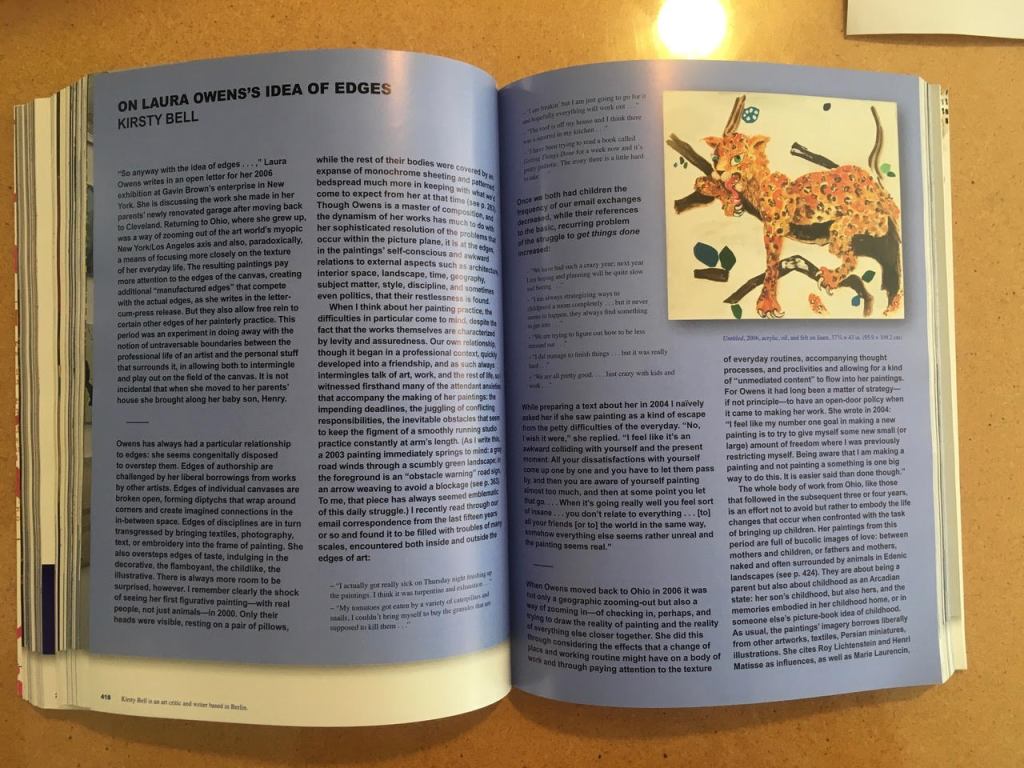
Laura Owens digital book collection also found at:
https://www.owenslaura.com/books/
Discussions of the idea of edges, canvas, Textiles materials wrapping of the canvas, approaches to styles of painting, obstacles, road signs, arrows weaving. Discussions of boundaries to paintings and rules almost in order to get to a finish each painting is a new set of rules and instructions.
In relation to the “escape” of painting Laura Owens writes:
“I feel like it’s an awkward colliding with yourself and the present moment. All your dissatisfactions with yourself come up one by one and you have to let them pass by, and then you are aware of yourself painting almost to much, and then at some point you let that go… When it’s going really well you feel sort of insane. you don’t relate to everything…. [to] all your friends [or to] the world in the same way, somehow everything else seems rather unreal and the painting seems real.”
 Llenyd Price